Growth mindset isn’t just a feel-good phrase — it’s a practical approach to learning, resilience, and performance that shapes how people respond to challenge and change. Cultivating a growth mindset helps individuals move past stalled progress, embrace feedback, and turn setbacks into fuel for improvement.
What growth mindset means
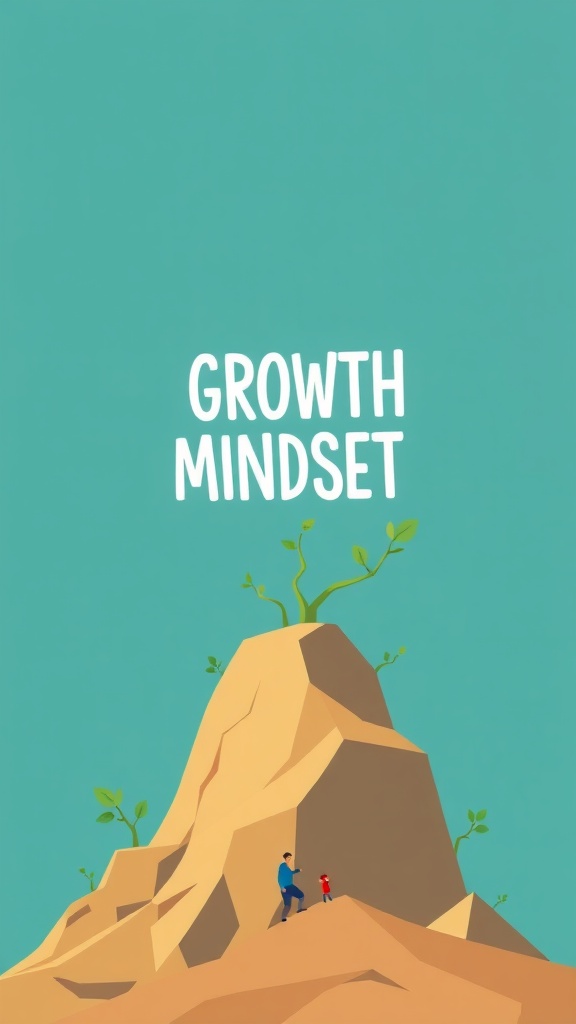
A growth mindset rests on the belief that abilities and intelligence can be developed through effort, strategy, and input from others. It contrasts with a fixed mindset, which views talent as static. People with a growth mindset see mistakes as information, not identity; they view effort as a path to mastery rather than a sign of weakness.
Why it matters
Adopting a growth mindset improves learning, creativity, and persistence. It reduces fear of failure, encourages risk-taking, and makes feedback more actionable. Teams and organizations that foster growth thinking tend to innovate faster, adapt to change more smoothly, and support higher long-term performance.
Practical ways to develop a growth mindset
– Reframe setbacks: Treat failures as experiments. Ask, “What did I learn?” rather than “What does this say about me?”
– Focus on process-based praise: Commend effort, strategies, planning, and progress instead of innate talent. For example, say “You worked hard on that draft and improved the structure” rather than “You’re so smart.”
– Set learning goals: Use goals that emphasize skill acquisition (e.g., “Improve presentation clarity”) rather than purely outcome goals (e.g., “Get X likes”).
– Embrace deliberate practice: Break skills into focused components, work on the hardest part with concentrated repetition, and seek targeted feedback.
– Seek useful feedback: Ask specific questions like “What’s one thing I could do differently next time?” to convert criticism into a clear action plan.
– Keep a learning journal: Record challenges, strategies tried, what worked, and the next experiment. Tracking progress reinforces growth-oriented behavior.
– Build incremental habits: Start small—10 minutes a day on a weak area—so persistence becomes routine rather than heroic.
Overcoming common obstacles
– Perfectionism: When perfection prevents iteration, set “good enough” milestones and iterate. Small improvements compound quickly.
– Fixed-mindset language: Replace absolute phrases like “I can’t” with “I can’t yet” to open the door to learning.
– Comparison traps: Use others’ success for information and inspiration, not as a verdict on personal worth. Study their process rather than their result.
Role of leaders, parents, and educators
Environment matters. Leaders can model growth behavior by sharing their own learning journeys, asking for feedback, and rewarding experimentation. Parents and teachers reinforce growth mindset by praising effort and strategy, offering constructive feedback, and helping children plan their next steps after setbacks.
Pitfalls to avoid
Superficial encouragement (“You can do anything if you try!”) without structure can backfire. Effective growth mindset support combines optimism with specific strategies, measurable practice, and honest feedback.
Everyday impact
Adopting growth-oriented habits changes how challenges are interpreted: obstacles become opportunities, criticism becomes data, and effort becomes a tool for advancement. Whether for career development, academic progress, or personal goals, a growth mindset unlocks sustainable improvement by converting potential into practice.
Start small, iterate often, and prioritize learning processes—progress follows.