In the ever-evolving world of business, market disruption has become a key player in shaping the commercial landscape. What was once viewed as an exception, a rare occurrence of the market’s natural evolution, has now become the new norm.
Corporations, startups, and even established small businesses are all keen on the benefits of disrupting the market and transforming the way we consume products and services.
Understanding Market Disruption
Market disruption refers to a situation where a new entrant into an industry significantly changes the way the sector operates, typically by leveraging technology or a unique business model. The new market player typically comes in with a novel product or service that has the potential to upset existing market norms and create a significant shift in the consumer base.
The purpose of disruption is not to eliminate the competition, but rather to redefine the rules of the game.
Key Drivers of Market Disruption
In today’s business landscape, technology is the primary driver of market disruption.
From Blockchain technology shifting the paradigms in financial services to AI and machine learning revolutionizing customer service, technology is enabling businesses to offer unprecedented value to their consumers.
Moreover, consumer behavior and expectations are also crucial in driving market disruption.
Today’s consumers demand convenience, personalization, and immediacy. They are more connected and informed than ever before, and this has led to a shift in their expectations. These behavioral changes are pushing businesses to constantly innovate and disrupt their own markets to meet these new demands.
The Role of Startups in Market Disruption
Startups have been fundamental in driving market disruption.
With their agile nature and propensity for risk, startups are often at the forefront of market disruption. They are known for challenging the status quo, introducing innovative solutions, and reshaping industries.
From Uber revolutionizing transportation to Airbnb transforming the hospitality industry, startups have demonstrated the power of disruption in reshaping markets.
The Implications of Market Disruption
Market disruption, while transformative, is not without its challenges. Businesses who wish to disrupt must be prepared for the potential backlash from established players, regulatory hurdles, and the challenges of scaling rapidly. However, the potential rewards are significant. Market disruptors often gain a competitive advantage, secure customer loyalty, and can achieve rapid growth.
Moreover, market disruption often leads to increased competition, which can benefit consumers.
It encourages innovation, leads to improved products and services, and can often result in lower prices.
Navigating Market Disruption
No industry is immune to market disruption. Consequently, businesses must be proactive in navigating this landscape. This requires a deep understanding of market trends, consumer behavior, and the ability to adapt quickly. It means being open to change, willing to take risks, and focusing on innovation.
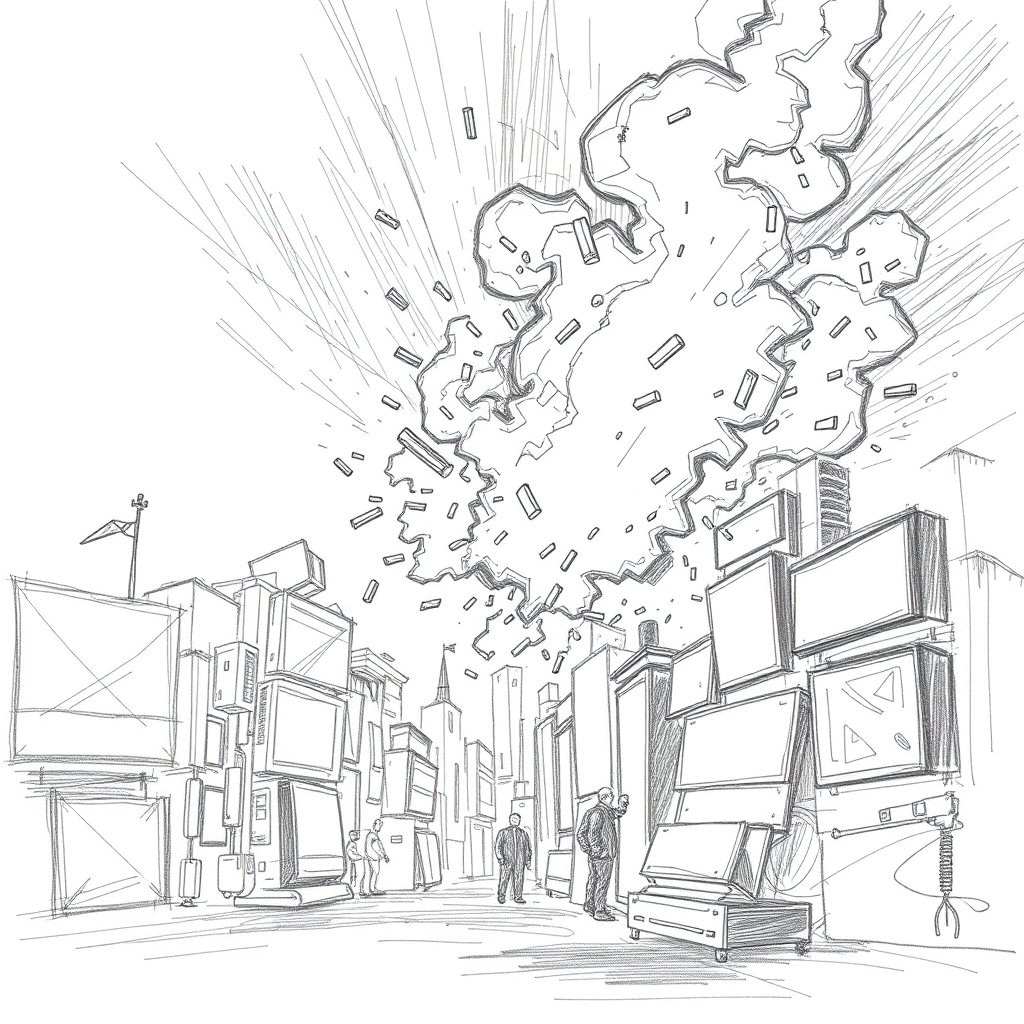
Today’s businesses must realize that disruption is not a threat, but an opportunity. It is a chance to redefine the business landscape, challenge outdated norms, and offer consumers better and more efficient solutions. By embracing disruption, businesses can ensure their own survival and, more importantly, thrive in this new era of business.
So, in a world where market disruption is the norm, the key to success lies in embracing change, fostering innovation, and always putting the consumer first.