This powerful strategy, characterized by innovative offerings that reshape industry norms, is challenging the status quo and leading the march towards novel business landscapes.
Market disruption is a strategy that leverages innovation to create new markets or radically transform existing ones.
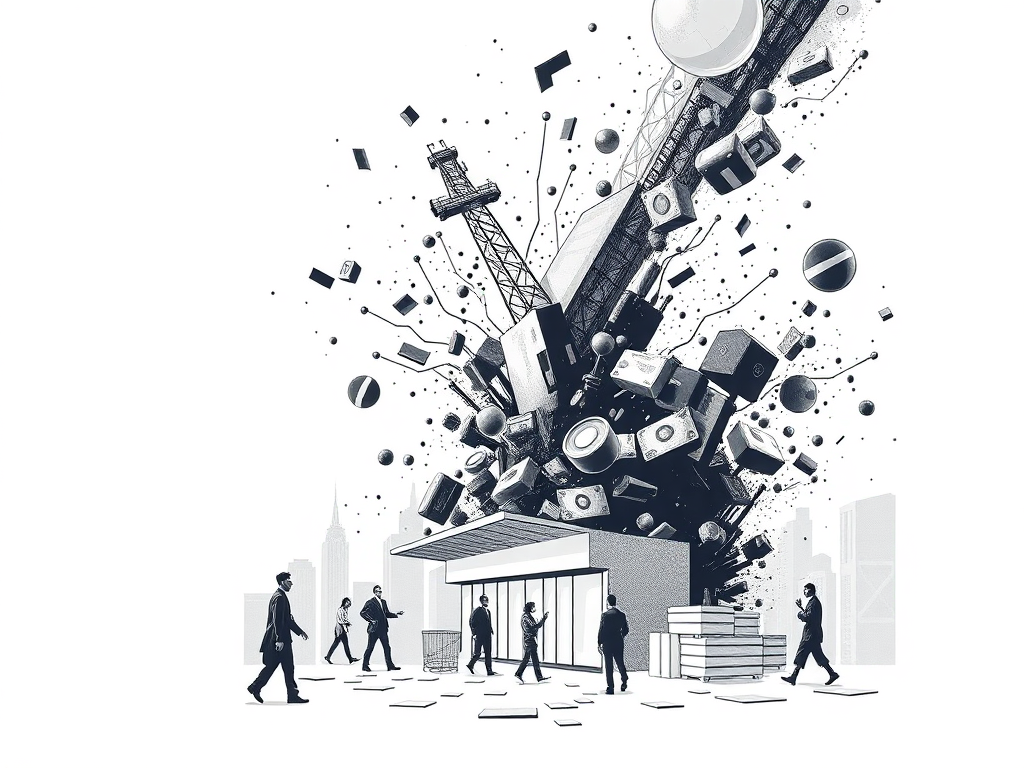
The essence of market disruption lies in its ability to challenge and upend conventional business models, essentially redefining the rules of competition.
Fundamentally, a market disruptor is a company or a brand that revolutionizes its sector, offering something new and different – better quality, lower prices, enhanced user experience, or entirely new product categories. This concept is not confined to any particular industry; it sweeps across business sectors, from technology and finance to hospitality and healthcare.
But what exactly drives this disruptive innovation? At the core, it’s the relentless pursuit of addressing customer needs more effectively. Disruptive companies are adept at spotting gaps in the market and filling them with products or services that resonate with consumers. They’re the ones who listen closely to their customers, anticipating their needs and exceeding their expectations, often before the customers themselves fully realize their desires.
An exemplary disruptor that has radically transformed its industry is the ride-sharing platform, Uber. The company completely disrupted the traditional taxi industry by offering a convenient, cost-effective, and user-friendly alternative. Uber’s innovative, app-based model empowered consumers with the ability to request rides at their convenience, thereby addressing a gap in the market that traditional cabbies failed to fill.
Similarly, companies like Netflix and Amazon have reshaped the entertainment and retail landscapes respectively. Netflix, currently a household name in on-demand entertainment, commenced its journey by disrupting the DVD rental market.
Today, it offers a massive library of digital content, providing consumers with unprecedented choice and convenience.
Likewise, Amazon’s disruption of the retail sector with its massive online marketplace has set new standards for shopping convenience and delivery speed.
However, it’s noteworthy that market disruption, despite its transformative potential, is not without challenges.
It often encounters resistance from established players and regulatory authorities, leading to intense competition and legal battles. Moreover, success is not guaranteed, and many disruptors fail to make a lasting impact.
Yet, the potential rewards of market disruption are immense. It can lead to substantial growth and profitability, catapulting startups into industry leaders. Additionally, it fosters a culture of innovation and encourages creative problem-solving, which are vital for business survival in today’s rapidly evolving market dynamics.
Therefore, businesses aiming to stay relevant and competitive in the current landscape must embrace the power of disruption.
It is essential to foster an innovation-friendly culture, continuously explore new ideas, and remain agile to adapt swiftly. Remember, in the world of business, standing still is not an option.
Wrapping up, market disruption is not merely a buzzword; it’s a potent force driving the future of business. It’s an exciting, transformative strategy that challenges the status quo and creates unparalleled opportunities. So, whether you’re an emerging startup or an established player, harnessing the power of disruption could be your pathway to unprecedented success.
The future, undoubtedly, belongs to the disruptors!