Why founder stories matter
– Trust and relatability: People connect to people.
A clear origin story humanizes the brand and reduces psychological distance between the audience and the product.
– Differentiation: Markets are crowded.
A unique founder story helps a company stand out by offering context that competitors can’t replicate.
– Investor and talent attraction: Investors and top candidates often bet on founders as much as on ideas. A compelling narrative signals conviction, resilience, and clarity of purpose.
– Media and PR: Reporters look for simple, vivid angles. A well-crafted founder story cuts through noise and inspires coverage.
Core elements of an effective founder story
– The problem moment: Start with a specific event or frustration that made the problem unavoidable. Concrete detail makes the stakes believable.
– Personal stake: Explain why the problem mattered to the founder personally — the emotional or professional investment that created persistence.
– The insight or “aha”: Describe how the founder saw the problem differently and envisioned a solution that others missed.
– Early validation: Include a believable data point, customer anecdote, or milestone that shows the idea worked beyond theory.
– Vision beyond the product: Connect the company’s work to a larger change or value system. This expands the story from a single product to a movement people want to join.
Practical tips for crafting and using the story
– Lead with specificity, not ego.
Details — names, places, sensory cues — make stories vivid. Avoid generic phrases like “we saw a problem” without context.
– Show, don’t sell.
Use short customer anecdotes or scenes that illustrate the problem and solution rather than abstract claims.
– Tailor the angle. Investors want traction and scalability. Customers want benefits and trust. Media want a human hook and novelty. Keep the core story but adjust emphasis for each audience.
– Keep it concise. A founder story should be adaptable to a 20-second pitch, a one-paragraph about page, and a longer blog or interview format.
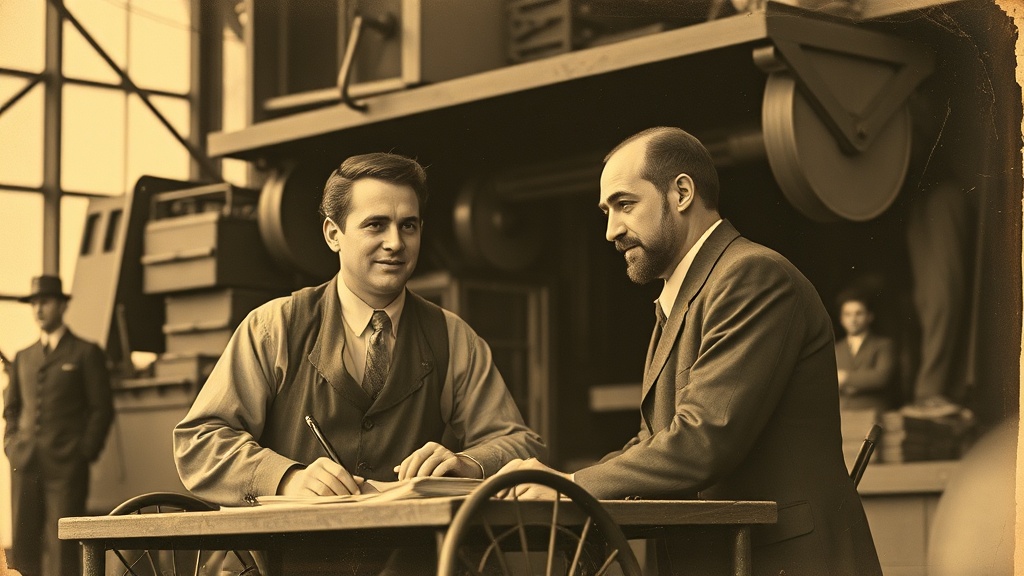
– Use visuals and artifacts.
Photos, sketches, prototype snapshots, or an original email can make the story tangible and shareable.
– Maintain consistency across channels. The version in press materials, the website, and pitch decks should feel like the same narrative with appropriate depth.
– Practice authenticity. Admit early failures or pivots. Vulnerability creates credibility; over-polishing breeds skepticism.
Common storytelling mistakes
– Starting with the company, not the problem. Audiences care about why something matters to them first.
– Overloading with timelines.
Long chronological histories dilute the emotional core. Focus on turning points.
– Relying on clichés.
Phrases like “I wanted to change the world” feel hollow unless grounded in concrete action and examples.
– Treating the story as fixed.
As the business evolves, so should the narrative. Fresh customer wins and product milestones can change emphasis without losing the core truth.
A founder story is both a strategic asset and a living narrative.
Start by identifying the emotional pivot that sparked the idea, then shape that pivot into short and long versions tailored to key audiences. When the story aligns with real results and consistent messaging, it becomes a powerful tool for building momentum.