Market Disruption: A Gateway to Innovation and Revolution
One of the most influential dynamics in business today is market disruption.
These fundamental shifts in industries create new opportunities and challenges for both established businesses and startups.
Market disruption is not merely a buzzword. It’s a catalyst for innovation, stimulating evolution and growth in multiple sectors.
A well-known example of market disruption is how digital streaming services like Netflix and Spotify have transformed the entertainment industry. By providing on-demand, subscription-based access to movies, television shows, and music, these brands have significantly altered the landscape of media consumption.
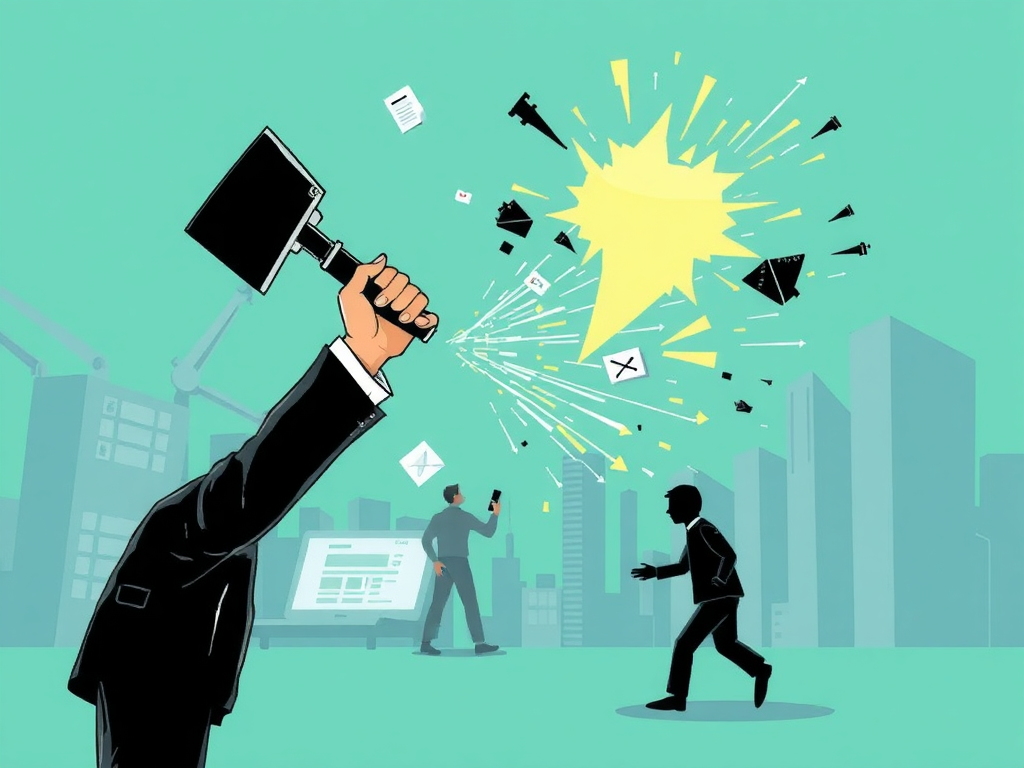
Market disruption often begins when innovative businesses identify unmet needs within existing markets.
They then leverage technology and new business models to meet those needs more effectively. The result? A reshaped industry landscape where the disruptors set the pace, and existing businesses must adapt or face diminishing success.
Take, for instance, the transportation sector. Traditional taxi services were once the norm, but today, ride-sharing platforms like Uber and Lyft are increasingly the go-to choice for consumers. These companies have redefined the concept of urban mobility by offering an accessible, affordable, and convenient transportation alternative.
Market disruption is not without its challenges. It often requires significant initial investment and carries a high level of risk. However, the potential rewards are equally substantial, with disruptors often gaining a significant market share and reshaping their industry in their image.
Strategically, businesses looking to become disruptors must stay on top of emerging trends and technologies. By conducting thorough market research, they can identify potential gaps in current services or products and find innovative solutions to fill these vacancies.
An essential aspect of this strategy is customer-centricity. Successful disruptors place a high value on user experience.
They look beyond the traditional methods of doing business and focus on what the customers truly want. This could mean more convenient service, lower prices, or even a completely new product that addresses a problem the customer didn’t even realize they had.
Another major consideration in market disruption is regulatory compliance. Innovators must ensure their products or services adhere to all relevant regulations.
This can sometimes be a challenge as disruptive innovations can blur the lines of existing regulatory frameworks, making it necessary for companies to work closely with regulatory authorities.
Businesses that thrive in the face of market disruption are those that are flexible and adaptable. They recognize the need for change and are willing to evolve their business models as necessary.
In essence, they view disruption not as a threat, but as an opportunity for innovation and growth.
In an age where technology is advancing at an unprecedented rate, market disruption has become the norm rather than the exception.
It’s an exciting and dynamic aspect of the business world that drives progress and innovation. Businesses that successfully navigate these changes can reap substantial rewards, establishing themselves as leaders in their industry and shaping the future of their sector.
Embracing market disruption is essentially about embracing change. It’s about being open to new ideas and ready to pivot when necessary. In a world that’s constantly evolving, the only way for businesses to stay relevant is to keep pace with change.
Only then can they continue to meet their customers’ needs and stay ahead in the game of market disruption.
In this light, market disruption is not to be feared. Instead, it should be seen as a gateway to innovation and revolution. It’s a powerful force that, when harnessed correctly, can lead to remarkable strides in business growth and customer satisfaction.
After all, in the world of business, stagnation is the real enemy.
Staying ahead of the curve means anticipating, adapting to, and capitalizing on market disruption.