Growth Mindset: How to Shift Beliefs and Boost Learning, Resilience, and Performance
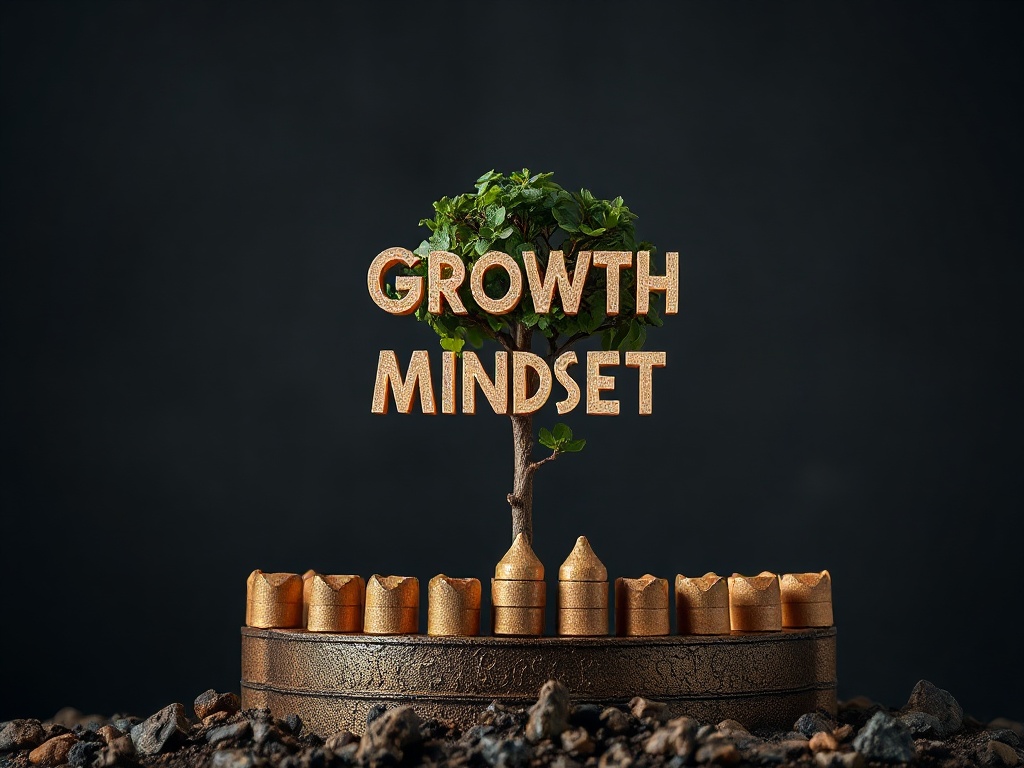
A growth mindset is the belief that abilities and intelligence can be developed through effort, good strategies, and input from others. It contrasts with a fixed mindset, where people assume talents are innate and unchangeable. Adopting a growth mindset doesn’t mean ignoring limits; it means treating skills and challenges as opportunities to grow.
Why the growth mindset matters
Recent neuroscience on neuroplasticity supports the idea that practice changes the brain. People who hold growth-oriented beliefs tend to persist longer on difficult tasks, take more creative risks, and recover from setbacks more quickly. Organizations that encourage learning over flawless performance report higher engagement and better long-term results. In classrooms, students who receive process-focused feedback show deeper learning than those who receive only ability-focused praise.
Practical ways to cultivate a growth mindset
– Reframe setbacks as feedback: When a project fails or a skill stalls, list what you learned and one small change to try next.
Treat these notes as data, not judgment.
– Focus on process, not just outcome: Track hours of deliberate practice, steps taken, and strategies adjusted rather than only final scores.
– Use process-focused language: Say “You worked hard on that approach” or “What strategy did you try?” instead of labeling ability. This is powerful in coaching, parenting, and management.
– Make learning goals, not just performance goals: Set objectives like “improve debugging skills” rather than “get a perfect score.” Learning goals encourage experimentation.
– Seek diverse feedback: Ask specific questions—“What’s one thing I could change to be more effective?”—and treat answers as hypotheses to test.
– Embrace small, consistent habits: Micro-practices (10–20 minutes daily) compound. Build a short routine focused on deliberate practice and reflection.
How leaders and teachers can promote growth culture
– Normalize struggle: Share stories of iteration and failure that led to improvements. Publicly model revision and ask for input.
– Design stretch tasks with support: Offer challenging assignments with scaffolds and checkpoints so people can learn without being overwhelmed.
– Reward learning behaviors: Recognize curiosity, collaboration, and persistence, not just instant wins.
– Train feedback skills: Teach staff to give specific, actionable feedback tied to strategies and effort.
Common pitfalls to avoid
– Praising effort alone: Saying “good job, you tried hard” without linking effort to strategy can imply effort is all that matters. Combine praise of effort with notes on effective strategies.
– Treating mindset as a quick fix: A growth mindset is a practice, not a magic switch. It requires ongoing reflection, feedback, and systems that support learning.
– Toxic positivity: Forcing optimism without acknowledging real problems undermines trust.
Validate emotions while keeping attention on next steps.
A simple 4-step start
1. Pick one skill to improve.
2. Set a specific learning goal and daily micro-practice.
3. After each session, write one tweak to try next time.
4. Ask one trusted person for actionable feedback every week.
Shifting toward a growth mindset changes how you approach work, relationships, and personal goals. Start with small habits, reward learning behaviors, and treat setbacks as a signal to refine strategy—those moves create real momentum over time.